The short game is where most amateur rounds are won or lost. The ten short game drills on this page target the most common failure points around the green: the fat chip, the thin pitch, the inconsistent bunker shot, and the inability to control trajectory and spin when the hole is close.
These drills are ordered by the frequency of the errors they fix. Start with the first three before moving to the later entries, which address more specific situations. The full Short Game video library covers each skill in depth.
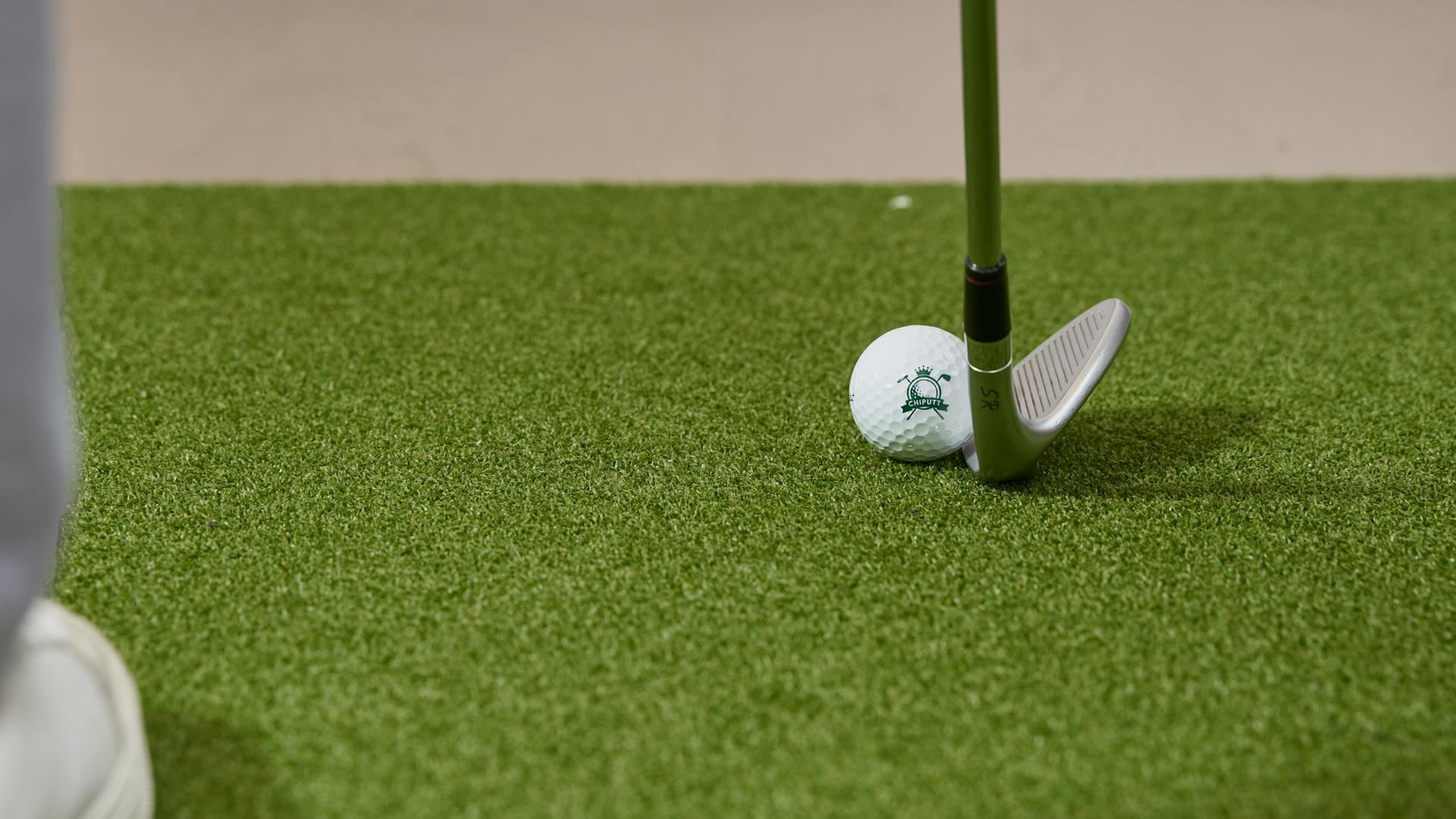
The Bump and Run
The bump and run, a low-trajectory chip using a 7 or 8 iron from tight lies, is the highest-percentage short game shot for most amateur conditions. It removes the need for precise loft and spin control, replacing them with a simple putting-style stroke. Mastering it eliminates the thin and fat chip that a lofted club demands.
The Hinge and Hold
The hinge and hold is the pitch shot technique that stops the club flipping through impact. Hinge the wrists on the backswing and hold that angle through the ball, keeping the hands ahead of the clubface at impact. This produces a descending strike that compresses the ball rather than scooping it.
Land Zone Targeting
Aiming at the hole on chip shots is one of the most common short game errors. Pick a specific landing spot on the green instead, a patch of grass or a discolouration, and focus entirely on landing the ball there. The ball's roll to the hole becomes predictable when the first bounce is controlled.
The Wrist Hinge Drill
Take your wedge and make half-swings that hinge the wrists to 90 degrees on the backswing, then hold that hinge through impact. The drill trains the wrist action that generates spin and control on short-sided chips and pitches. Five minutes of slow repetition produces results that an hour of full swings cannot.
The Towel Drill for Fat Chips
Place a folded towel two inches behind the ball and make a chip shot. If the club hits the towel before the ball, you are bottoming out too early: the root cause of fat chips. The drill gives immediate feedback and trains the downward strike that compresses the ball cleanly from tight lies.
Fringe Putting
When the ball is on the fringe with a clear, flat path to the hole, using the putter is almost always the higher-percentage choice over a chip. The putter removes the need for loft judgement and produces a predictable roll. Most amateurs chip from the fringe out of habit; learning when to putt instead saves strokes without any technical improvement.
Bunker Distance Control
Bunker distance is controlled by swing length, not swing speed. Draw lines in the sand at 6 inches, 8 inches, and 10 inches behind a ball position and practise entering the sand at each mark. The longer the divot entry point behind the ball, the shorter the shot. This simple variable is the key to consistent greenside bunker play.
Trajectory Ladder
Hit the same chip shot with five different clubs, from a 7 iron to a lob wedge, from the same lie and the same distance. Notice how the trajectory and roll changes with each club. This drill builds the decision-making instinct that allows you to automatically select the right club for any short-game situation on the course.
One-Hop-and-Stop
For shots where the hole is close and there is little green to work with, train a steep angle of attack with an open clubface to generate enough spin to stop the ball quickly. The drill: chip from a tight lie with a 60-degree wedge, focusing on hitting down sharply. When the ball stops within a foot of where it lands, the angle and face position are correct.
The Up-and-Down Game
Play a practice game: chip and putt nine different holes on a practice green, tracking your up-and-down percentage. Score it. Do it again next session. The scorecard creates mild pressure that transfers directly to the course, and the up-and-down percentage gives you a concrete baseline to improve against.
See Short Game videos →Short Game & Chipping Category →
For the full short game library covering chipping, pitching, and finesse shots, see the category page.
What is the most important short game skill in golf?
Distance control around the green is the most valuable short game skill for amateur golfers. Most short game errors are not caused by poor technique but by poor distance judgement: the chip that runs 15 feet past, the pitch that lands in the rough. Developing a reliable feel for how far the ball travels with each club and each swing length eliminates more strokes than any mechanical fix.
How do I stop chunking chip shots?
Fat chips are caused by the club bottoming out before the ball rather than at or after it. The fix is to train a forward shaft lean at impact, hands ahead of the clubface, using the towel drill. Place a towel two inches behind the ball and make chip shots without hitting the towel. When contact is clean, the low point is correctly placed in front of the ball.
What club should I use around the green?
Use the lowest-lofted club that will carry the ball onto the green and allow it to roll to the hole. A 7 or 8 iron bump and run is the highest-percentage shot when there is a clear path to the hole. Reserve the lob wedge for situations where you need to carry a hazard or stop the ball quickly. Most amateurs use too much loft by default.