Most putting problems are distance control problems, not aim problems. Top 10 putting drills for amateur golfers address this directly: they build the feel for pace that eliminates three-putts before targeting the mechanical issues that cause misses inside six feet.
These drills are ordered by leverage: the ones at the top eliminate the most strokes for the average amateur. Work through them in sequence rather than jumping to what sounds most interesting. The full Putting video library covers technique in depth.
The Gate Drill
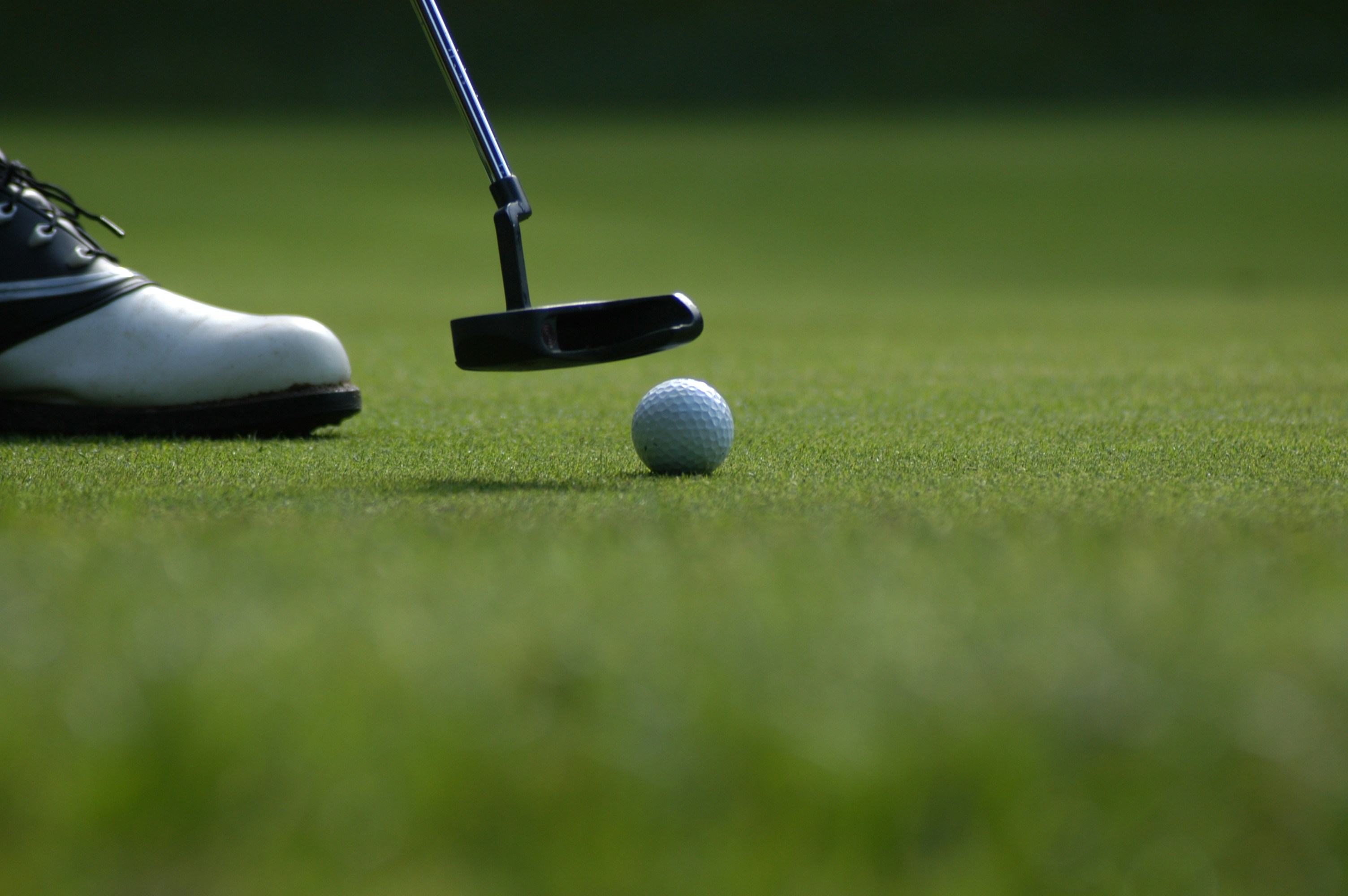
This is the #1 preferred drill at Stacking Birdies for consistent contact. While spending hours one summer doing this drill, one staffer saw his putt count reduce drastically on the scorecards. Here's the drill: Set two tees just wider than your putter head, six inches in front of the ball. Roll putts through the gate without touching either tee. This is the most direct way to train a consistent, square-face path and it provides immediate feedback on every stroke.
Lag Putting from 30 Feet
Drop three balls at 30 feet and putt each one with the goal of stopping within a three-foot circle around the hole. No aim, just pace. Do this at the start of every practice session. Distance control eliminates three-putts faster than any other drill.
The Clock Drill
Place four balls at three feet around the hole at 12, 3, 6, and 9 o'clock. Make all four consecutively. The varying lines train your ability to read break in all directions from the same distance.
One-Hand Putting
Putt with only your lead hand for ten minutes. This builds the correct feeling of the hand leading the putter through impact and prevents the wristy, flippy stroke that causes pushes and pulls.
Eyes Closed Putting
Set up to a putt, close your eyes, and stroke it. Open your eyes after the ball has left the face. This forces you to feel the stroke rather than steer it and quickly reveals tension you did not know was there.
Metronome Tempo Drill
Set a metronome or phone app to 72 beats per minute. Your backswing lands on one beat, your forward stroke lands on the next. Consistent tempo is the most reliable predictor of consistent distance control.
Coin on the Face Drill
Balance a small coin on the face of your putter at address and make a stroke without it falling off. This trains a low-to-the-ground, smooth stroke that eliminates the flicking motion responsible for most missed short putts.
Make 100 in a Row
Set up at two feet from the hole and putt until you make 100 consecutive putts. When you miss, start from zero. This builds the kind of short-putt confidence that only comes from genuine repetition under mild self-imposed pressure.
Read from the Low Side
For every practice putt, read the line from behind the ball first, then walk to the low side of the break and read again. The view from the low side is typically more accurate. Building this habit in practice makes it automatic on the course.
See Putting videos →Putt to a Tee, Not a Hole
Place a tee in the green and putt to it instead of a hole. Removing the hole eliminates the outcome-focus that causes steering and tension. The stroke improves when you stop caring about results.
Putting Category →
For the full putting library covering stroke, green-reading, and routine, see the category page.
How do I stop three-putting?
Three-putts are almost always a distance control problem. The most effective fix is a daily lag putting drill from 30 feet or more, focused entirely on pace rather than aim. Golfers who spend ten minutes on lag putting before every round reduce their three-putts faster than with any mechanical change.
What putting drill is best for beginners?
The gate drill is the most useful starting point. It gives immediate feedback on path and face angle, requires no special equipment, and produces improvement within a single session. Pair it with the lag drill from 30 feet and beginners have the two fundamentals covered.
How far from the hole should I practise putting?
Practise from three ranges: inside five feet, 10 to 20 feet, and 30 feet or more. Most amateurs only practise from inside 10 feet, which is why their three-putt rate stays high. The distance control work from 30 feet has the highest return on practice time.